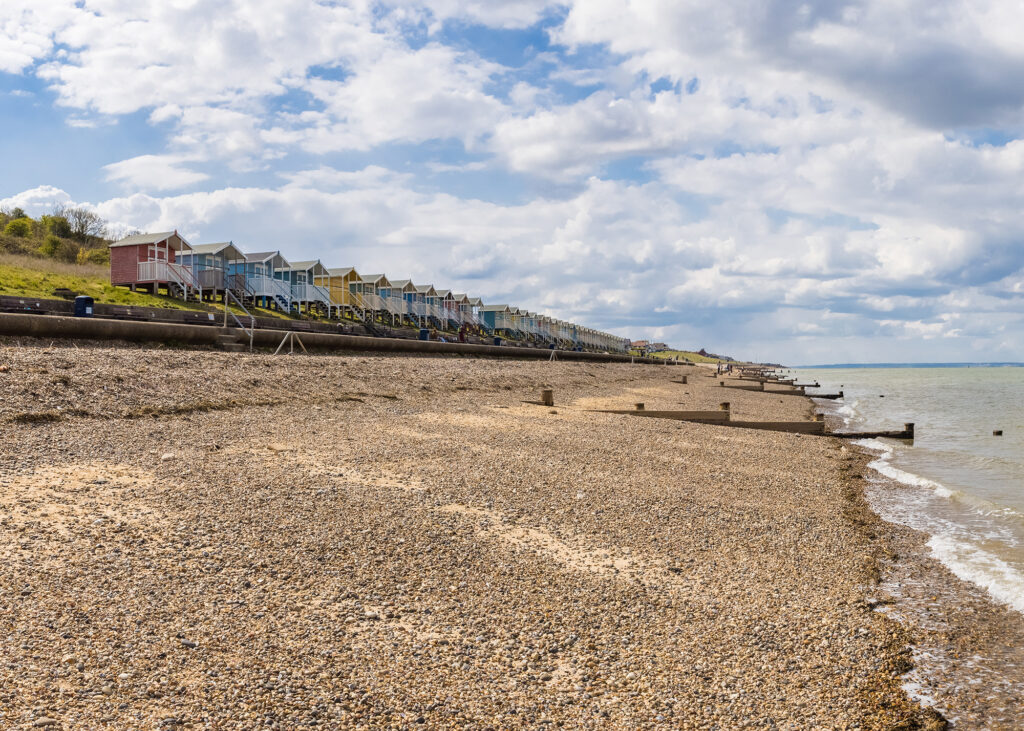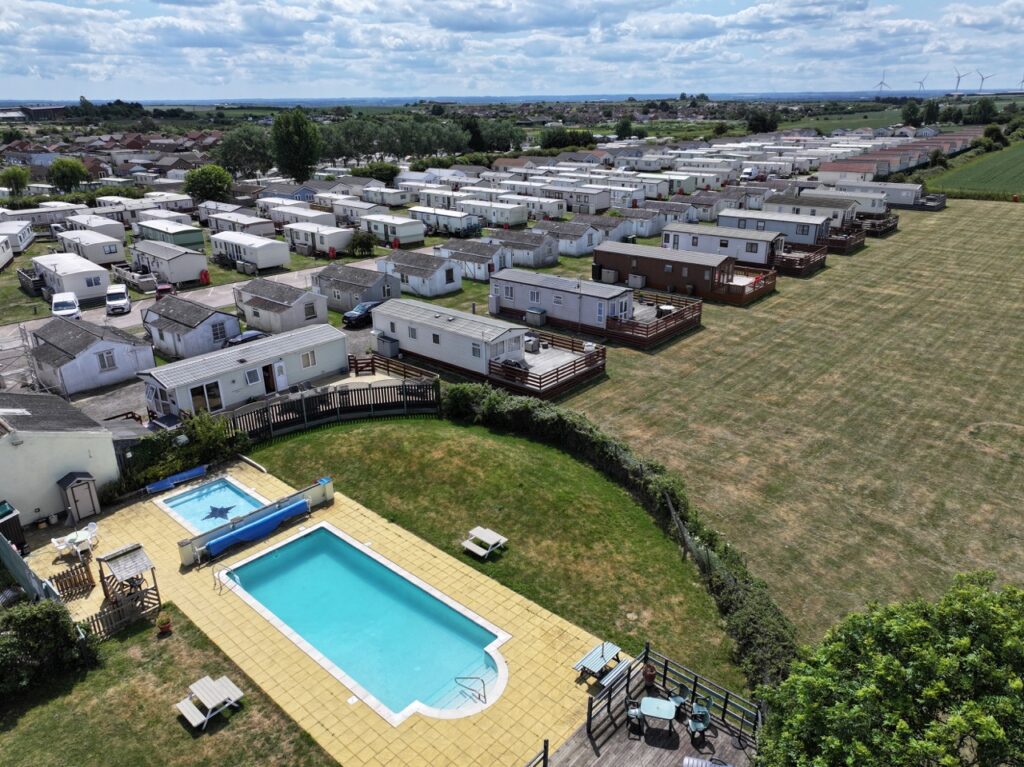
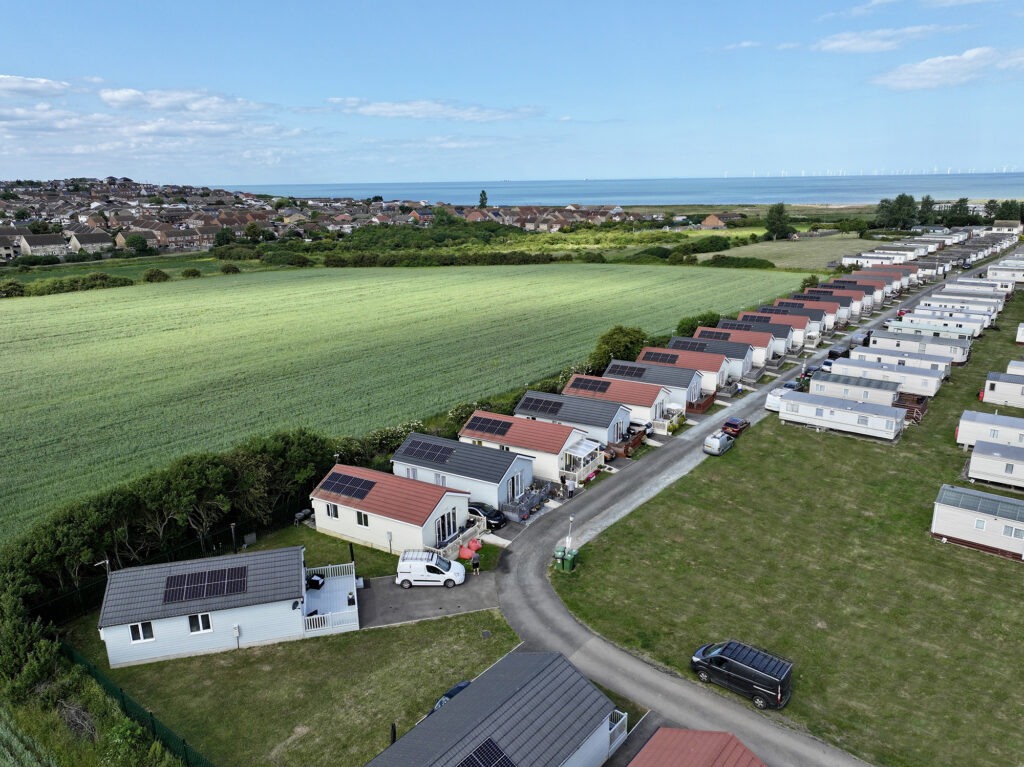
Yes, you can live in a chalet all year round – but only if the park holds a 12-month residential licence. Most UK holiday chalets operate under restricted 10-month seasonal licences that legally prevent permanent residence. At Seaview Park on the Kent coast, our chalets are licensed for true year-round living with no occupancy restrictions, making them ideal for those seeking a permanent home rather than a holiday retreat.
This guide covers everything you need to know about chalet licensing, legal requirements, practical considerations, and the reality of full-time living in a chalet. Whether you’re considering permanent residency, planning retirement, or simply exploring downsizing options, understanding the difference between holiday and residential chalets is crucial for legal compliance and making an informed decision.
The simple answer to whether you can live in a chalet permanently depends entirely on the park’s licence and planning permission. Getting this wrong can result in legal action, inability to register a permanent address, and significant financial complications.
By the end of this guide, you’ll understand:
- The critical difference between 10-month and 12-month chalet licensing
- How to verify a chalet’s residential status before purchasing
- Practical requirements, including council tax, utilities, and insurance
- What year-round chalet living actually looks like day-to-day
- Whether chalet living suits retirement and permanent downsizing
Understanding chalet licensing and residential rights
A chalet suitable for year-round living differs fundamentally from a holiday home in both legal status and construction standards. Residential park homes are specifically designed for permanent residence, meeting British Standard BS 3632 for insulation, ventilation, and structural durability. Holiday chalets, by contrast, are built for leisure use with less stringent requirements and planning permission that restricts occupancy to specified periods.
The legal framework governing chalet residency in the UK involves two key elements: site licences issued by the local authority and planning permission conditions attached to the land. Both must permit residential use for year-round residency to be lawful. Many parks operate under holiday licences that explicitly prohibit using chalets as a main residence, regardless of how comfortable the accommodation might be.
10-month vs 12-month chalet licensing
Most holiday parks in the UK operate under seasonal licences that typically restrict occupancy to around 10 months per year. These holiday licence conditions often require residents to vacate during winter months – commonly January and February – when parks close for maintenance. During this off-season period, you cannot legally stay in a holiday chalet as your primary residence.
A 12-month residential licence removes these restrictions entirely. Parks with residential status allow permanent living throughout the year, enabling you to register the chalet as your main address, pay council tax, and access all the rights associated with a permanent home. The distinction isn’t merely administrative – it affects your legal standing, financial arrangements, and everyday life.
The legal considerations between holiday use and permanent residence extend to the Mobile Homes Act, which provides specific protections for residents on residential caravan parks that don’t apply to holiday home ownership. Residential communities offer security of tenure and regulated pitch fee increases, while holiday parks operate under different rules with fewer statutory protections.
Why do many parks stick to holiday licences? The answer depends on planning history, local council policies, and commercial considerations. Converting a holiday site to residential use requires formal planning permission, which local authorities may refuse. Many parks find it simpler to maintain holiday status, even though this limits how owners can use their properties.
How to identify a 12-month licensed chalet
Before purchasing any chalet for permanent living, you need to verify its residential status through proper documentation. Planning permission is your first checkpoint – request copies of the original permission and any subsequent variations. Look for conditions that specify “residential use” rather than “holiday or recreational use only.” If the permission includes seasonal closure requirements or limits how many consecutive days you can stay, the chalet isn’t suitable for year-round living.
The site licence issued by the local authority provides further information about what’s permitted. This document will state whether the park is licensed for holiday use or permanent residential occupation. Parks operating under the Mobile Homes Act for residential use face regular inspections and must meet higher standards than holiday sites.
When speaking with park operators, ask these direct questions:
- Is this chalet licensed for 365-day occupation as my main residence?
- Is the unit built to BS 3632 residential specification?
- Can I see the planning permission conditions and site licence?
- Can I register for council tax, GP services, and the electoral roll at this address?
- What are the site fees, and how are increases regulated?
Red flags that indicate holiday-only restrictions include contracts mentioning “leisure use” or seasonal closure periods, addresses not recognised by postal or electoral services, absence of BS 3632 certification, and prices significantly below what council tax banding would suggest. If the park operates under a recreational site licence rather than a residential designation, you cannot legally live there permanently.
Practical requirements for year-round chalet living
Securing the right licence is only the first step. Permanent living in a chalet requires careful planning around council tax obligations, utility arrangements, insurance coverage, and ongoing costs. These practical considerations determine whether chalet living works financially and logistically for your situation.
Council tax and official address registration
Residents of 12-month licensed chalets must pay council tax like any other permanent home in the UK. Chalets typically fall into Band A or B, depending on valuation, making them considerably cheaper than traditional homes in many areas. The local council assesses the property and issues bills directly to residents.
Registering your chalet as your main residence involves notifying the local authority, updating your driving licence and vehicle registration, registering with a local GP, and joining the electoral roll. These steps establish your legal requirement to treat the property as your primary address and provide proof of residence for banking, benefits, and official purposes.
Postal address setup is straightforward on residential parks – Royal Mail delivers to legitimate residential addresses, and you can receive correspondence, packages, and official documents without difficulty. Holiday chalets without residential status often cannot receive mail as a main address, creating significant complications for everyday life.
Utilities and essential services
Year-round living requires reliable utility provision throughout all seasons. Residential chalets need a robust electricity supply capable of powering heating systems during winter months, along with either mains gas or a suitable alternative heating. Water supply and drainage must function reliably even in freezing conditions – properly licensed residential parks maintain infrastructure to prevent frozen pipes and service interruptions.
Internet and phone services are essential services for modern living. Most established residential parks, such as Seaview Caravan Park in Leysdown, offer broadband connectivity, though speeds vary depending on location. Mobile signal can be variable in coastal or rural beautiful locations, so check coverage before committing.
Waste collection and recycling services operate on residential parks just as in any residential communities. The local authority typically provides bins and collection schedules. Emergency services – ambulance, fire, police – have access to properly licensed residential parks, and response times are comparable to other rural or semi-rural areas.
Insurance and financial considerations
Residential chalet insurance differs substantially from holiday home cover. Permanent living requires specialist insurance that covers year-round occupation, structural damage, contents, and liability. Holiday policies typically exclude claims arising from permanent residence or contain clauses that invalidate coverage if you live in the property full-time.
Mortgage availability for residential chalets is more restricted than for traditional homes. Standard mortgage lenders rarely finance park homes, but specialist park home finance providers offer products specifically designed for this market. Lenders require confirmation of residential licence status before approving funding – attempting to finance a holiday-only chalet for permanent living will likely fail.
Site fees represent an ongoing cost unique to park living. These cover ground rent, maintenance of communal areas, and sometimes utilities. On residential parks, fee increases are regulated under the Mobile Homes Act, providing some protection against excessive rises. Holiday parks operate under different rules with fewer restrictions on fee changes. Expect site fees ranging from £2,000 to £6,000 annually, depending on location, facilities, and park quality, plus potential stamp duty considerations when purchasing.
The reality of year-round chalet living
Beyond licensing and paperwork, understanding what daily life actually involves helps you decide whether chalet living suits your needs. Seasonal comfort, community atmosphere, and practical maintenance all shape the experience of making a chalet your permanent home.
Seasonal comfort and climate considerations
Modern chalets built to BS 3632 specification perform well throughout the year. The standard mandates specific insulation values – walls around 0.35 W/m²K, roofs 0.20 W/m²K, floors 0.35 W/m²K – providing thermal performance suitable for permanent living. Double- or triple-glazing, efficient heating systems, and proper ventilation maintain comfortable temperatures during both the summer months and harsh winters.
Older chalets or those built to holiday standards (like EN 1647) may struggle with winter heating demands. Pre-2000 units often have significantly worse insulation, leading to higher energy bills and cold spots. If considering an older chalet, assess heating costs carefully and factor in potential insulation upgrades.
Weather resilience matters in exposed coastal locations. Quality residential chalets withstand wind, rain, and occasional storms without significant issues. The BS 3632 standard addresses structural stability and weather resistance, though individual site exposure varies. Summer brings excellent ventilation and natural beauty, while proper heating makes the winter months cosy rather than challenging.
Community life and amenities
Year-round living differs from holiday use in community dynamics. During open season and summer holidays, parks bustle with visitors enjoying the great outdoors. Off-season brings quieter periods when permanent residents form closer bonds with neighbours and enjoy peaceful surroundings away from urban hustle.
At Seaview Park’s coastal residential community, facilities remain accessible throughout the year for permanent residents. Maintenance and groundskeeping continue during winter months, ensuring paths remain clear and communal areas stay presentable. Unlike most holiday parks that close facilities seasonally, residential parks maintain essential services year-round.
Sarah and George, long-term residents at Seaview Park, describe their experience:
“We downsized three years ago and haven’t looked back. The winter months are actually our favourite – we have the beach practically to ourselves, the community is tight-knit, and our heating bills are lower than our old Victorian house. It’s peaceful without being isolating, and we’re closer to loved ones than people assume.”
Sarah and George, long-term residents at Seaview Park
Local events and coastal activities provide entertainment throughout the year, while the manageable size of chalet living means less time on maintenance and more time to spend time doing what you enjoy.
Retirement and permanent downsizing to chalet Living
Chalets increasingly appeal to retirees seeking a smooth transition to simpler, more affordable living, especially when choosing an ideal seaside retirement at Seaview Park. The combination of lower costs, reduced maintenance, and attractive locations makes residential park homes a practical retirement option worth serious consideration.
Financial benefits of chalet retirement
Purchase prices for residential chalets typically fall well below equivalent traditional home costs in the same area. A quality chalet in a coastal location might cost a fraction of a bricks-and-mortar house nearby, freeing up capital for retirement income or leaving more to loved ones.
Running costs often decrease compared to larger homes. Modern BS 3632 chalets require less heating due to their compact size and good insulation. Site fees replace multiple maintenance costs – no roof repairs, external painting, or driveway upkeep to worry about. The combination of lower purchase price and reduced ongoing costs makes retirement budgets stretch further.
Legal fees and stamp duty on chalet purchases tend to be lower than traditional property transactions, though requirements vary depending on the specific arrangement. Consult a solicitor familiar with park home purchases for accurate cost projections.
Lifestyle advantages for retirees
Single-level living eliminates stairs – a significant advantage as mobility changes with age. Most chalets offer open-plan layouts that are easy to navigate and adapt. This accessibility benefit makes chalets suitable for ageing in place without major modifications.
Built-in community provides social opportunities without requiring effort to find them. Residential parks often attract like-minded retirees, creating natural friendships and mutual support. Social facilities, communal spaces, and local events foster connections that combat isolation.
Coastal or countryside locations offer a quality of life that might otherwise be unaffordable. Living by the sea or surrounded by natural beauty becomes achievable when housing costs are lower. Many residents cite location as their primary motivation for choosing chalet living over downsizing to a smaller traditional home.
For further information on making the move to chalet retirement, our guide to downsizing for retirement explores the transition in more detail.
Frequently Asked Questions
Can you live in a chalet full-time?
Yes, you can live in a chalet full-time – but only if it’s on a park with a 12-month residential licence. Holiday chalets with seasonal restrictions don’t permit full-time residency. Verify the park’s licence status and planning permission before purchasing if permanent living is your goal.
How long can you live in a chalet in the UK?
The answer depends on the park’s licensing. Holiday licences typically restrict occupancy to around 10 months, with required closure periods. Residential licences allow 12-month year-round living with no restrictions. Some holiday parks specify how many consecutive days you can stay, often limiting visits to avoid permanent residence claims.
Can I live in a park home for 12 months?
You can live in a park home for 12 months only on parks with residential site licences. These parks operate under the Mobile Homes Act and permit permanent residence. Park homes on holiday sites – even if built to identical specifications – cannot legally be occupied year-round due to different planning and licensing conditions.
Do I have to pay council tax on a holiday chalet?
Council tax obligations vary depending on licensing and usage. Residential chalets with 12-month licences attract full council tax as your main residence. Holiday chalets may be subject to business rates instead, or may qualify for second-home council tax treatment. Some local authorities apply premiums to second homes. Contact your local council for specific advice based on your situation.
What’s the difference between a chalet and a holiday home?
A chalet describes the physical structure – typically a static building on a park, similar to luxury lodges or static caravans. A holiday home describes legal usage: accommodation restricted to leisure purposes with seasonal occupation limits. A chalet can be either a holiday home or a permanent residence, depending on the park’s licence and planning permission.
Can I get a mortgage for a residential chalet?
Standard mortgages aren’t available for chalets, but specialist park home finance providers offer suitable products. Lenders require confirmation of residential status before approving finance – holiday-only chalets won’t qualify. Interest rates may be higher than standard mortgages, and terms typically shorter. Shop around among specialist providers for competitive offers.